Aufsichtsrat 2030


This book shows how ambidexterity supports supervisory and advisory boards as well as non-executive directors in their board work during turbulent times.
It features contributions from Michael L. Tushman (Harvard Business School; renowned ambidexterity researcher) and Andy Binns (Change Logic, Boston), among others.
It has been a decade of global instability: AI, skills shortages, climate change, crises – ever-changing trends and developments are leading to major changes in the economy. While companies are securing their core business in an environment of unexpected events and risks, they are also preparing their future business models. For supervisory bodies, this means ...
Voices from
the book
“At the end of the day, it comes back to the board. The board must be able to be strategically provocative around winning for today and creating conditions to win for tomorrow.“
Prof. Michael Tushman
“The supervisory board MUST be ambidextrous.”
Dr. Eberhard Veit
Stephanie Schorp, Comites GmbH
“We need a more advanced form of corporate governance. The transformation does not stop at the supervisory board either.”
Julia Ledermann
“In order to remain marketable, the core business must be stabilised and adapted. At the same time, we must observe and anticipate future trends in the Supervisory Board – for example, in the composition of the Executive Board, but also in our own composition.”
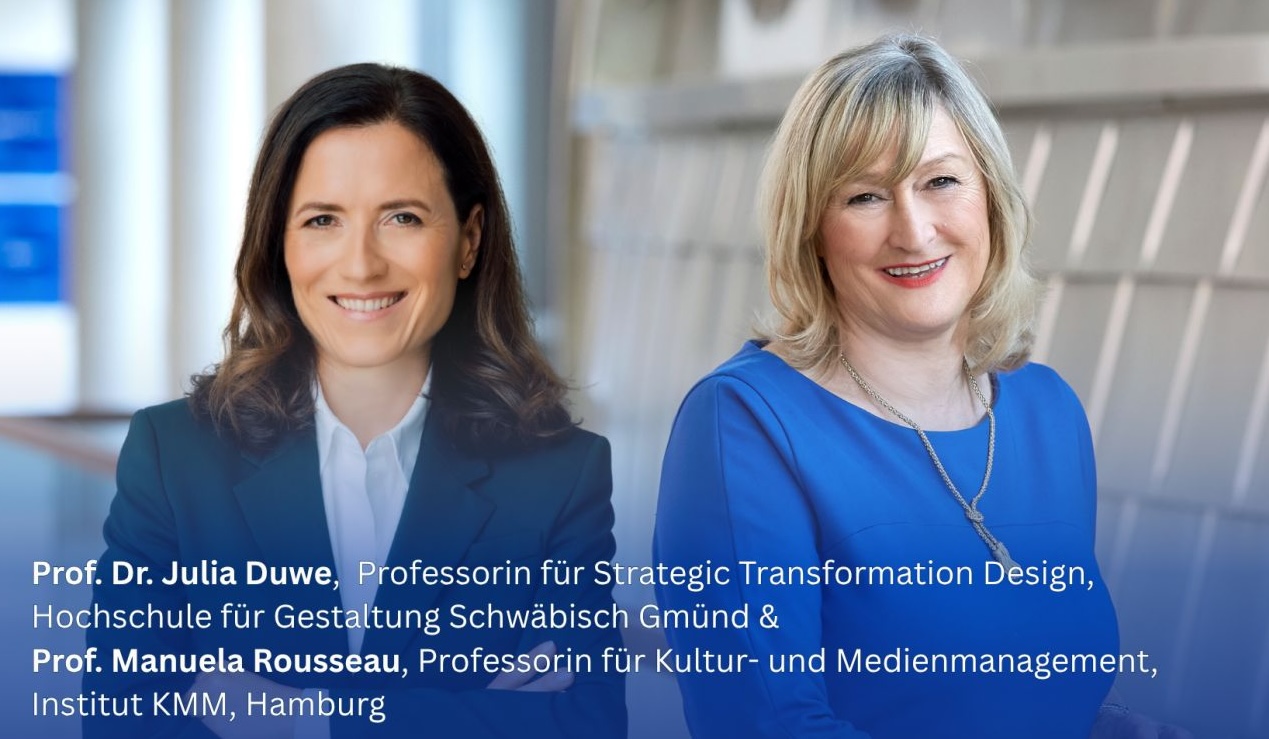
Prof. Manuela Rousseau
Sabine Eckhardt, Non-Executive Director
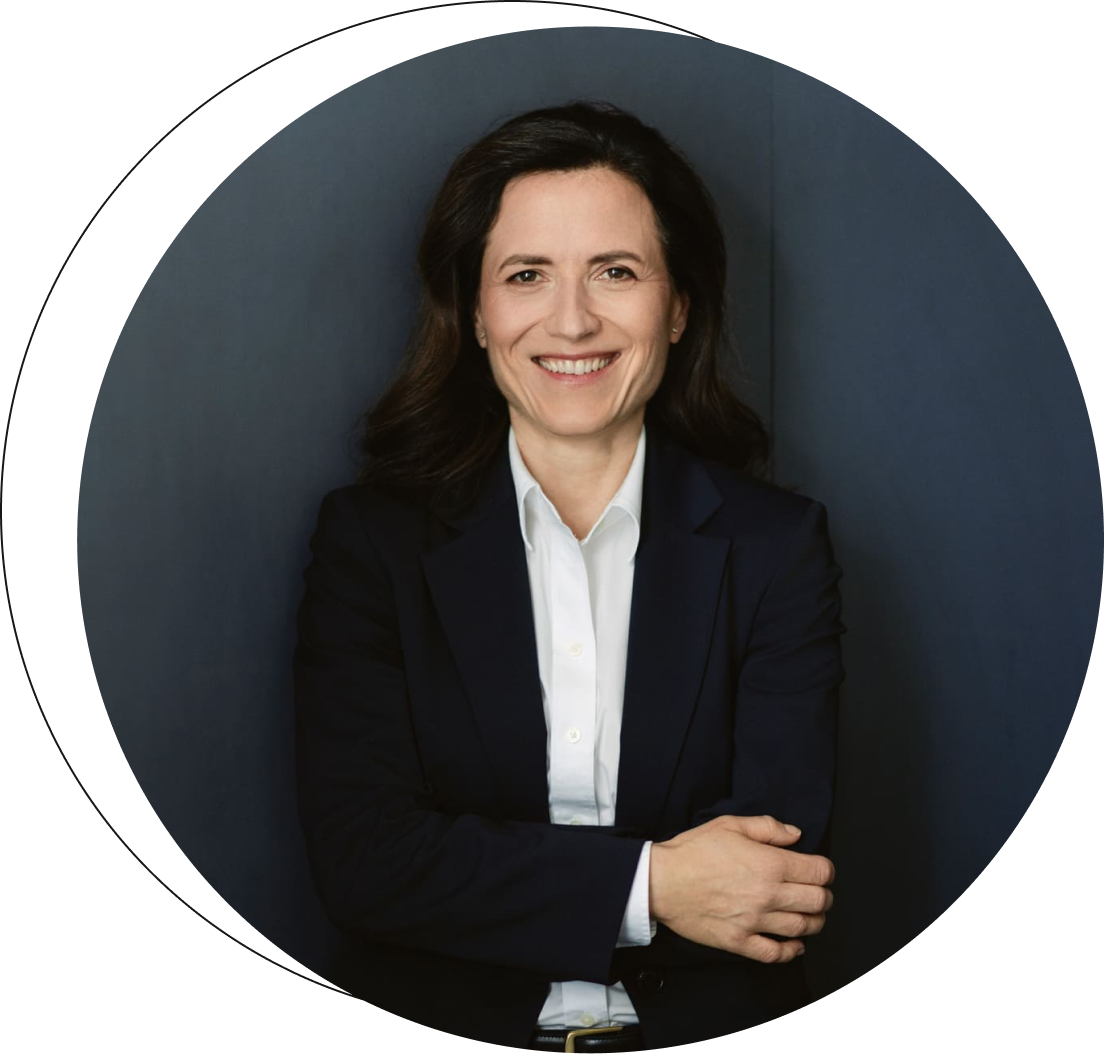

Prof. Dr. Julia Duwe is a consultant and expert in R&D management, digital leadership, and organizational ambidexterity.

Interested?
Would you like to learn more about ambidexterity on supervisory boards? Then please contact me for a keynote speech, presentation, workshop or an interactive dialogue. You will learn about the concept, discuss the areas of tension in the work of supervisory and advisory boards, and learn from practical examples how ambidexterity can facilitate board work in turbulent times.